

The Unpaid Labor Force: Why Okmulgee County Cattlemen should Recruiting Bees to the Ranch
In the cattle business, we are constantly looking for ways to cut input costs and increase average daily gains. We talk about genetics, mineral programs, and marketing windows, but we rarely discuss the smallest “hired hands” on the ranch: the pollinators. For the modern producer in Okmulgee County, attracting bees and butterflies isn’t just a conservation effort; it is a strategic business move that improves the bottom line and ensures the long-term viability of the land.
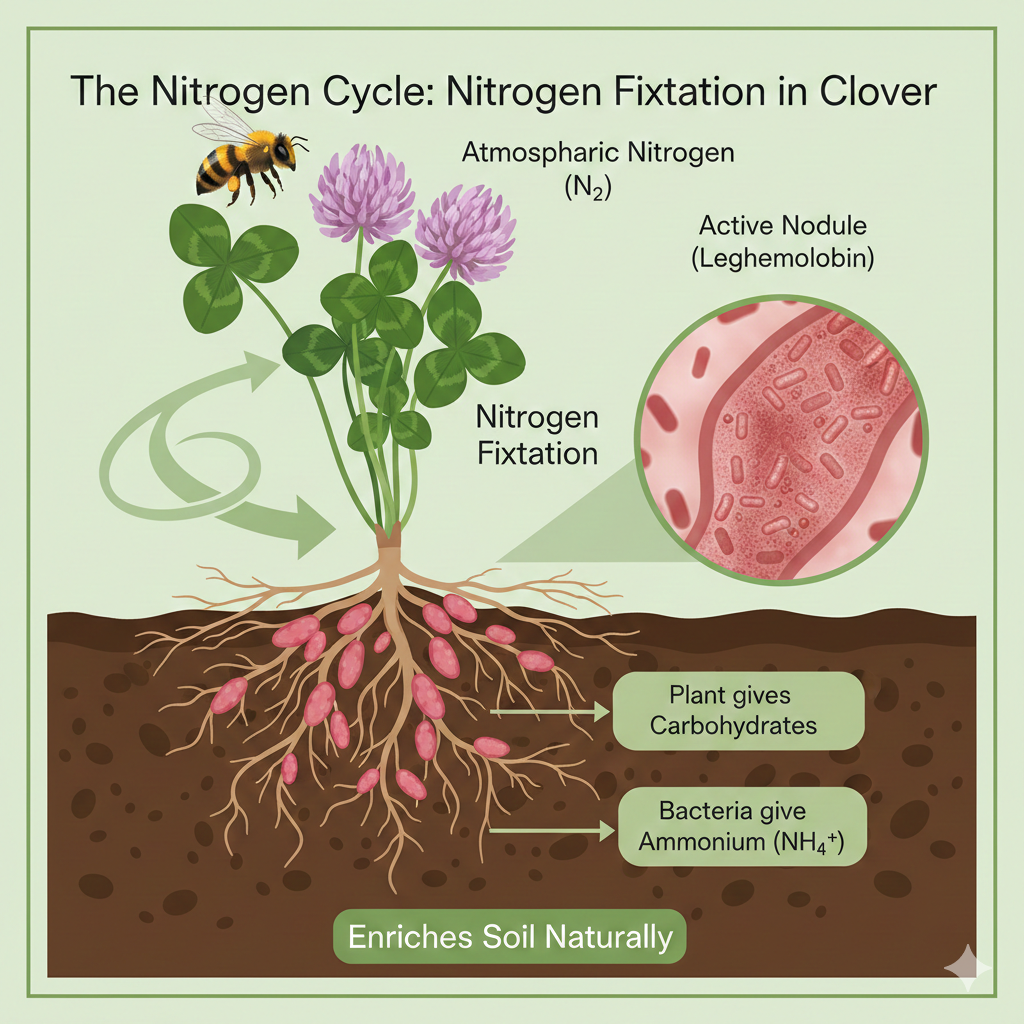
The most immediate benefit of a healthy pollinator population is the management of high-protein forage. Most OCCA members rely on legumes like White Clover, Alfalfa, and Hairy Vetch to boost herd nutrition and fix nitrogen in the soil. These plants can fix between 50 to 200 lbs of nitrogen per acre annually, which significantly reduces the need for expensive commercial fertilizers. However, these high-value legumes are obligate insect-pollinated. Without bees to “trip” the flowers and spread pollen, these clover stands cannot reseed or persist. If a ranch loses its pollinators, it eventually loses its “free” nitrogen source and its highest-quality forage.
Beyond nutrition, pollinators act as a natural defense system against invasive species. When a pasture loses its pollinator-dependent wildflowers, or “forbs,” it creates an ecological vacuum that is almost always filled by aggressive, low-quality “trash” plants. By managing for a diverse mix of native plants, OCCA members utilize nature’s own weed control. A pasture rich in Purple Coneflower (Echinacea) and Indian Blanket isn’t just scenic; it’s a competitive environment that “crowds out” the invasive weeds that would otherwise require costly chemical spraying to manage.
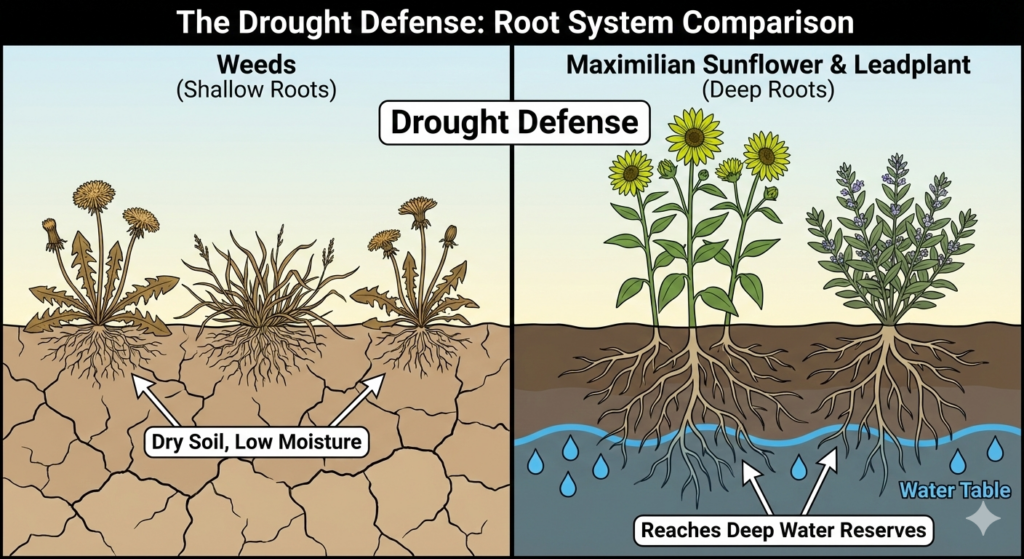
Furthermore, the presence of pollinators is a direct indicator of drought resilience. Many of the best pollinator plants in the Cross-Timbers region, such as Maximilian Sunflower and Leadplant, are famous for their massive, deep root systems that can reach ten to fifteen feet underground. These roots act as biological drills, breaking up heavy Okmulgee clay and creating channels that allow rainwater to penetrate deep into the soil rather than running off into the creek. During a dry Oklahoma August, pastures with this kind of plant diversity stay green two to three weeks longer than monocultures. This extra grazing time can be the difference between keeping calves on grass or breaking into the winter hay stash early.
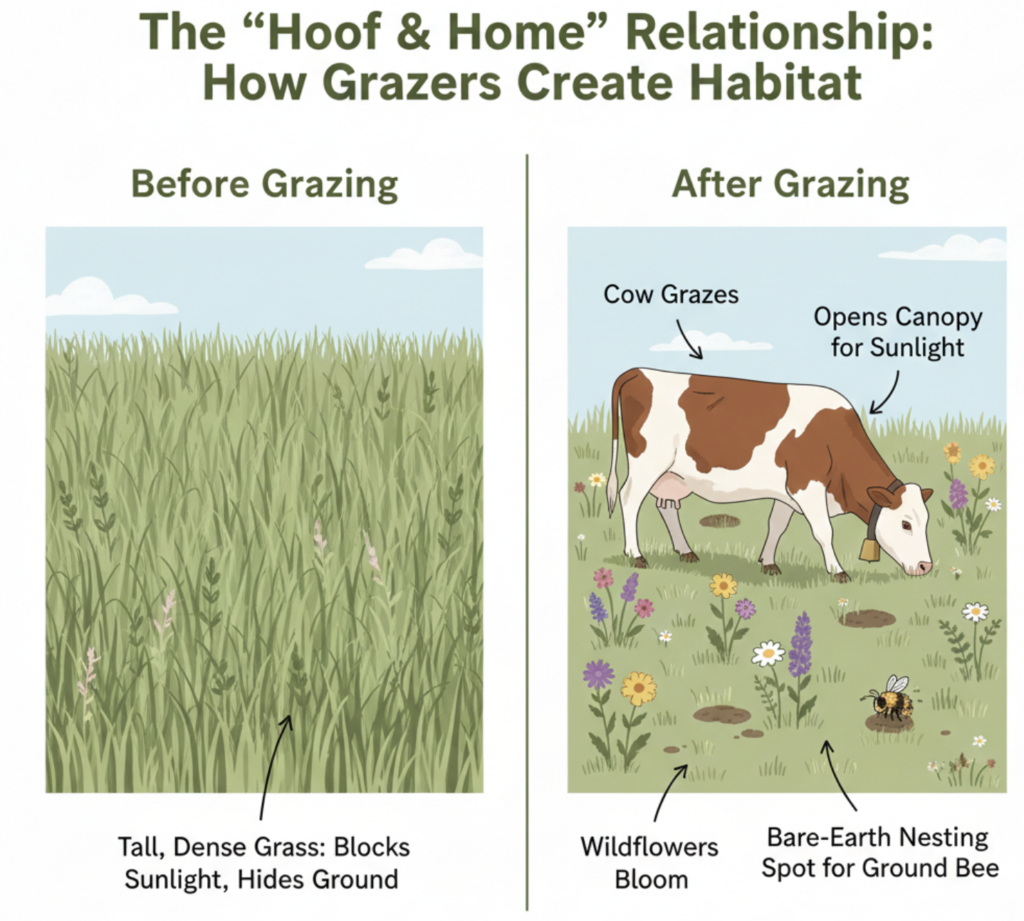
Rotational Grazing: Boosts Biodiversity
For the OCCA member looking to improve their infrastructure, these “bee-friendly” practices also unlock significant financial incentives. Through the NRCS and programs like EQIP, producers who demonstrate multi-use land management often receive higher priority for cost-share funding. This capital can be used for essential ranch improvements, including cross-fencing for rotational grazing, solar wells, and the removal of invasive Eastern Red Cedars to restore native habitats.
The Okmulgee County Cattlemen’s Association has been dedicated to the performance of our land and livestock since 1967. We understand that the best way to protect our property rights and our industry is to prove that working ranches are the healthiest ecosystems on earth. Recruiting pollinators doesn’t mean giving the land back to nature; it means using nature to grow heavier calves, better soil, and a more profitable operation for the next generation of Oklahoma ranchers.