As cattlemen, we’ve all been there: standing in a middle-of-the-field pasture, staring at a standard soil test report filled with N-P-K recommendations, and wondering why—even after following the “recipe”—our forage quality still hits a wall.
We are used to standard chemical soil tests. They are the workhorses of the industry. But if you’re looking to get more out of your grazing lands while tightening input costs, it’s time to look under the hood. There is a tool gaining significant traction in Oklahoma agriculture: The Haney Soil Test.
The “Fuel Gauge” vs. The “Engine”
Think of a standard soil test like taking a snapshot of the fuel gauge in your truck. It tells you how much chemical nutrient is sitting in the tank (the soil) at that exact moment.
The Haney test, developed by USDA scientist Rick Haney, does something different. It doesn’t just measure the fuel; it evaluates the engine. It looks at the soil as a living ecosystem, using water-based extractants to mimic the organic acids that plant roots naturally release to “mine” nutrients from the soil.
Comparison: Standard vs. Haney
Feature
Standard (Mehlich-3)
Haney (H3A)
Extraction Method
Strong Chemical Acids
Weak Organic Acid Mix (Root Exudates)
Nitrogen Focus
Measures nitrate only
Measures organic N and mineralized N
Soil Biology
Ignores biological activity
Measures $CO_2$ respiration & microbial fuel
Recommendation Style
“Feed the crop” (Synthetic focus)
“Feed the soil” (Biological potential)
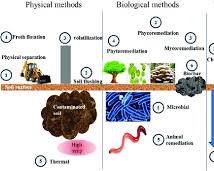
diagram comparing chemical soil extraction vs biological soil extraction for agriculture infographic
What’s In Your Soil? The Biological Markers
The Haney test provides three specific pieces of “biological” information that a standard test usually misses. These are the indicators that truly predict how resilient your pasture will be during an Oklahoma summer:
Soil Respiration ($CO_2$-C): This measures the “breath” of your soil microbes. If your soil breathes well, it means your biology is healthy, leading to better nutrient cycling.
Water Extractable Organic C (WEOC): This is the “fuel” (energy) available for those microbes to work.
Water Extractable Organic N (WEN): This is the “protein” (nitrogen) stored in organic matter, waiting to be released for your grass.
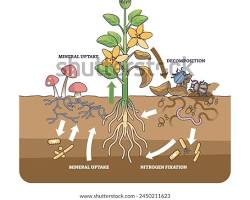
infographic showing nutrient cycling in soil with roots and microbes carbon and nitrogen flow
The Soil Health Score (SHC)
The Haney test boils these complex metrics down into a single Soil Health Score (0–50). This allows you to track your progress year-over-year.
Score Range
Soil Health Status
Management Focus
0 – 5
Degraded
Reduce disturbance; prioritize soil cover.
6 – 15
Moderate
Focus on increasing organic matter and reducing inputs.
16 – 30
Good/Healthy
Maintain current system; optimize cycling.
31+
Excellent
Protect the system; minimize synthetic inputs.
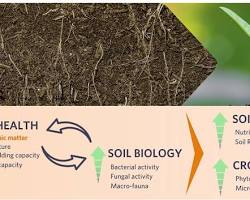
infographic showing soil health score dial with CO2 respiration and organic nitrogen labels
The Bottom Line: Can It Save Money?
The most exciting feedback from ranchers isn’t just about “better soil health”—it’s about the bottom line.
Many producers in our region have found that the Haney test reveals they already have 20–40 lbs of Nitrogen “in the bank” that standard tests ignored because it was tied up in organic matter. By relying on biological cycling rather than synthetic bags, you can often scale back fertilizer expenses without sacrificing forage yield.
3 Tips for a Successful Transition
Don’t Mix Methods: Do not try to compare a standard test score to a Haney score. They measure different things. If you switch, commit to the Haney test for at least 3 years to see the trend.
Consistency is Key: Soil biology fluctuates. Sample at the same time each year—preferably in mid-spring or early fall when soil temperatures are stable.